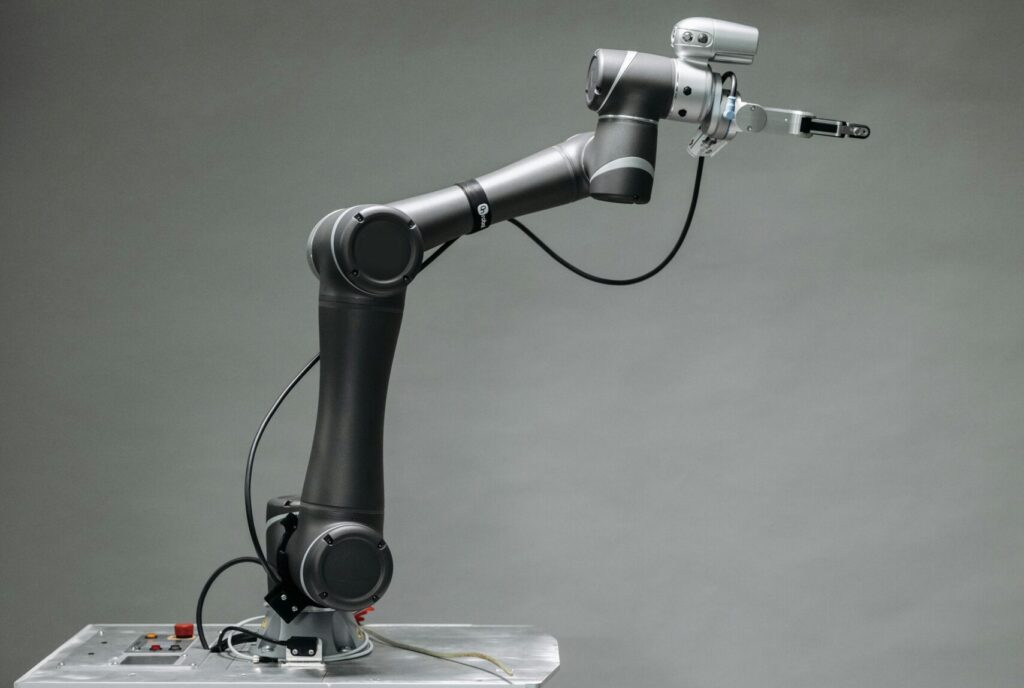
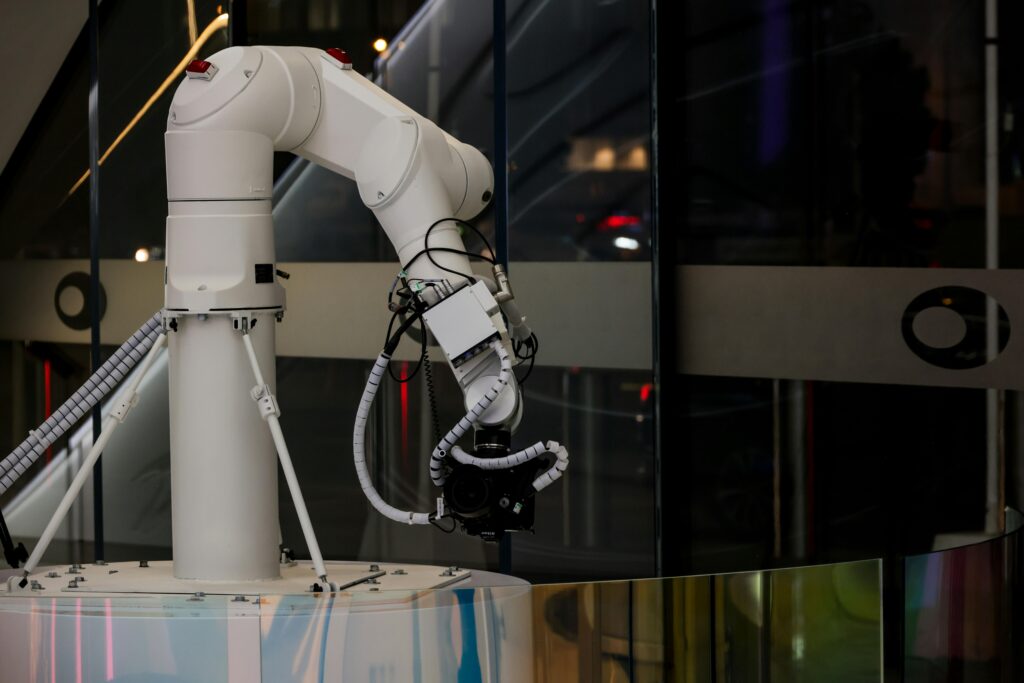
You have probably seen the demo by now. A video of a robot picking an object, placing it in a bin, and moving it to a conveyor belt.
The vendor says it handles 10,000 picks a day. But demos rarely look like your actual warehouse, with its mixed SKUs, soft-pack items, transparent packaging, and irregular shapes.
So what is actually running in production? What can AI robots do for you today?
Picking & Sorting
Zalando, one of Europe’s largest fashion e-commerce companies, deployed Nomagic’s AI-powered picking robots across its fulfillment centers. Each robot picks individual items, scans them, and feeds them into automated pocket sorters. The pilot hit 10,000 picks per day per robot.
Picking performance depends heavily on what you are picking. A system that handles boxed goods at 94% success rate can drop below 80% on soft items or transparent packaging. Nomagic’s vision system learns and adapts to changing inventory, but on the same task, performance between vendors routinely varies by 20 to 50%.
Trailer Unloading
DHL runs more than 7,500 autonomous robots across its global network, including Boston Dynamics’ Stretch for trailer unloading at roughly 700 boxes per hour. Trailer unloading is physically demanding, injury-prone, and has the highest turnover of any warehouse role. A robot that handles it reliably pays for itself fast.
Tote Handling & Assembly Line Support
Toyota ran a year-long evaluation with Agility Robotics, then signed a commercial Robots-as-a-Service deal to deploy seven Digit humanoid robots at their Woodstock, Ontario plant starting April 2026. The robots handle tote servicing on the assembly line: removing empty totes and loading full ones across long production shifts.
Toyota tested multiple robots over twelve months and committed only after they had real performance data. That structured evaluation approach is increasingly common among the companies moving fastest on Physical AI.
The Hard Part
The technology works and is getting better every day. Figuring out which specific robot works for your specific operation is where most companies get stuck.
There are dozens of robotics vendors, each optimized for different tasks, with models updating every few months. Running a full pilot to figure out which one fits takes six months and costs upwards of $500K once you factor in integration, downtime, and retraining. Most operators either stall because they cannot sort through the options or commit to the wrong vendor because they only tested one.
How Deplace Helps
Deplace is a vendor neutral evaluation & monitoring platform for Physical AI. We test multiple AI robots on your actual workflows, with your real objects and SOPs, and score them on speed, success rate, error rate, human interventions, throughput, reliability, and more.
Instead of a six month pilot with one vendor, Deplace does a 4 week evaluation with multiple robotics solutions, tailored to your workflows, objects, and requirements. After deployment, we continue to monitor it so you are alerted when more performant solutions are available for you.
We are currently running evaluations for InfraCommerce on their luxury fulfillment packing workflows (40+ manual workers on the task today) and work with all the leading AI robotics companies.
Send us your SOP and we’ll scope a 4-week evaluation. Contact: pedro@deplaceai.com